At the moment, where are we, as a society, in terms of popular culture? This ever-evolving conglomeration of the media and moods of the time has undergone a revolution due to the internet and social media outlets. What we seem to see is merge between the worlds of the media and the reality of our daily lives: facebook/myspace and reality TV shows have taken this decade by storm and blurred the line between media products and reality. Perhaps this all began with our culture’s fascination with the stories of other people; only, before the millennium we were satisfied with fictional films, TV programs and books (of course memoirs have always been popular though). Starting with Survivor and Big Brother, our culture’s fascination with the reality of others was satisfied by a range of media products—mainly in the realm of “reality TV.” This may seem like an oxymoron, to have reality television that was not news, a current events show or a documentary. This genre quickly morphed into a pseudo-documentary of the average Joe or Jane, who (usually) becomes a star after undergoing some sort of unrealistic makeover or revelation. Indeed, what we have in modern pop culture is the media blurring the line separating “us” from “them.”

An example of this is Big Brother, a program with puts a group of strangers in a house and makes them live with each other for three months. It intends to stimulate disagreements between the housemates and bring out “real emotions;” not only that, people become famous out of this show. Jade Goody, who appeared on the third season of Big Brother UK, went on to write gossip columns and host many other reality shows. While on another one, she was accused of racist bullying of an Indian contestant and, as a result, she became even more famous. In 2009, Goody died of cancer. She became famous by reality TV and then continued to live her life as reality TV. If being rude and vain on television is what it takes to become a star, what message is that sending to young people? Perhaps these kinds of reality shows are just putting our society’s obsession with fame and vanity on display, for better or worse?

As mentioned before, our society is captivated by celebrities (Dancing with the Stars), making normal people into celebrities (American Idol), and beautiful people (America’s Next Top Model). While many would quickly dismiss reality TV, and they might be right to do so, it is important to look at its roots in art. I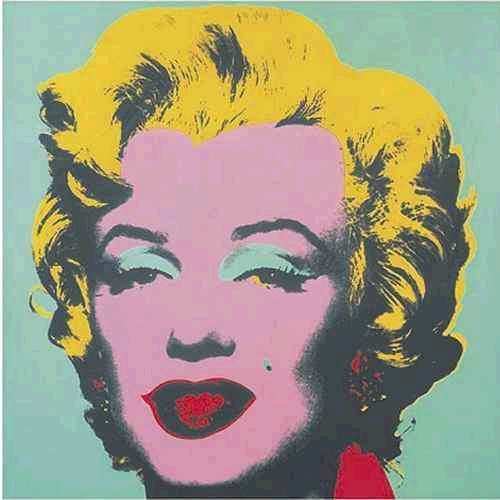
So, items such as reality TV and social networking, where the media and our lives become closer and closer, could be seen as an evolution from a movement started by Warhol (obviously huge amounts of other influences exist too). So do I think art and pop culture will keep going on this track of merging media and our real lives? With the popularity of Facebook and the continuing endurance of reality TV, yes I do; but an important question remains on the intent of reality programming: does it seek to represent how our lives are or how our lives should be?

No comments:
Post a Comment